
Compliance Passport (UK) – A Complete Guide to CPS Certification for Umbrella Companies
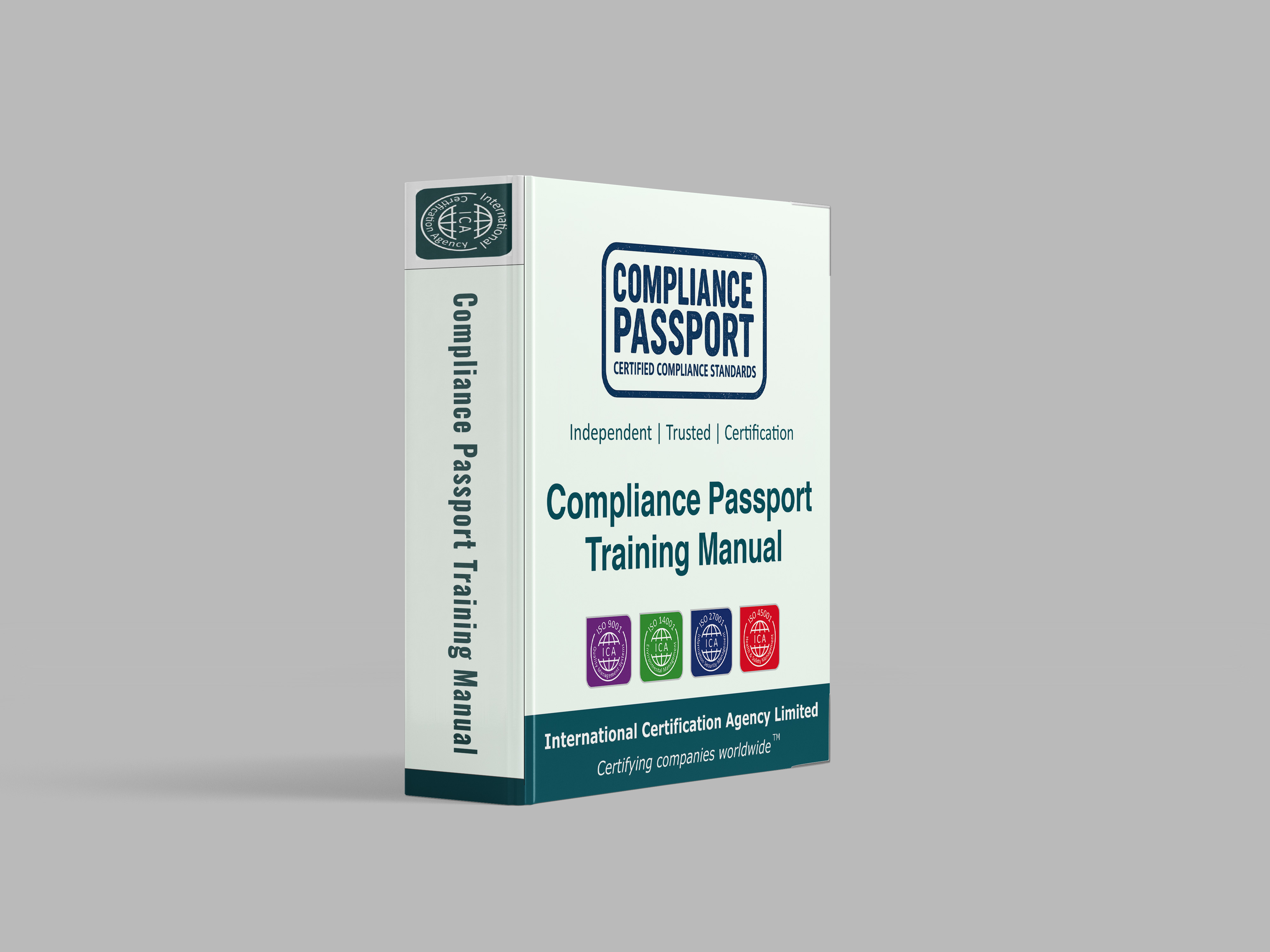
In the United Kingdom’s highly regulated contractor and recruitment landscape, ensuring compliance is no longer optional—it is a business necessity. The Compliance Passport Service (CPS), offered via the official platform, is a recognised certification framework designed specifically for umbrella companies to demonstrate legal, ethical, and operational compliance.
This article provides an SEO-optimised, formal overview based directly on the official Compliance Passport UK framework.
What is the Compliance Passport (CPS)?
The Compliance Passport in the UK refers to a formal certification standard for umbrella companies, verifying that they operate in full alignment with employment law, tax regulations, and industry best practices.
It is administered by the International Certification Agency (ICA), an independent, not-for-profit certification body with over 15 years of experience in ISO standards. ()
Unlike a general document repository, CPS is a third-party audited certification, providing external validation that a business meets strict compliance standards.
Key Features of Compliance Passport Certification
The Compliance Passport is built on a structured and integrated framework. Its core features include:
- Independent Third-Party Verification
- Certification is awarded after rigorous auditing, ensuring credibility and trust. ()
- Integration with ISO Standards
- CPS incorporates multiple internationally recognised standards, including:
- ISO 9001 (Quality Management)
- ISO 14001 (Environmental Management)
- ISO 27001 (Information Security)
- ISO 45001 (Health & Safety) ()
- Legal and Regulatory Compliance
- Covers key UK requirements such as PAYE, National Minimum Wage, GDPR, and employment law. ()
- Ongoing Monitoring
- Certification is not a one-time process; companies undergo continuous surveillance to maintain compliance status. ()
The Compliance Passport Certification Process
To obtain CPS certification, umbrella companies must complete a structured four-stage process:
- Application Stage – Initial eligibility and suitability assessment
- Training Stage – Detailed guidance on CPS requirements
- Assessment & Audit Stage – On-site evaluation against CPS standards
- Certification Stage – Final approval based on audit results
Additionally, companies must undergo annual surveillance audits to ensure ongoing compliance. ()
Why is Compliance Passport Important for UK Businesses?
The UK umbrella company sector processes billions in contractor payroll annually and faces increasing regulatory scrutiny. ()
CPS certification helps businesses:
- Demonstrate legal and ethical integrity
- Build trust with recruitment agencies and clients
- Reduce risks of HMRC investigations and legal disputes
- Meet agency compliance requirements quickly
- Differentiate from non-compliant competitors ()
Business Benefits of CPS Certification
Implementing a Compliance Passport offers both operational and strategic advantages:
1. Enhanced Credibility
Third-party certification acts as a strong trust signal for clients, contractors, and partners.
2. Faster Agency Onboarding
Agencies increasingly require compliance proof—CPS simplifies this process significantly. ()
3. Improved Internal Systems
Encourages better governance, risk management, and standardised processes.
4. Reduced Legal Risk
Helps minimise exposure to employment disputes, tax issues, and data breaches. ()
5. Commercial Growth Opportunities
Certified companies are better positioned to win contracts and increase market share. ()
Who Should Use Compliance Passport?
The CPS framework is specifically designed for:
- Umbrella companies managing contractor payroll
- Recruitment supply chain partners
- Organisations seeking ISO-aligned compliance systems
- Businesses preparing for stricter UK regulatory changes
Conclusion
The UK Compliance Passport is not merely a documentation system—it is a comprehensive certification framework that validates compliance, strengthens trust, and supports business growth.
As regulatory pressure increases, adopting CPS certification provides organisations with a competitive advantage, ensuring they remain legally protected, operationally efficient, and market-ready.